
Last Updated:
June 9, 2026
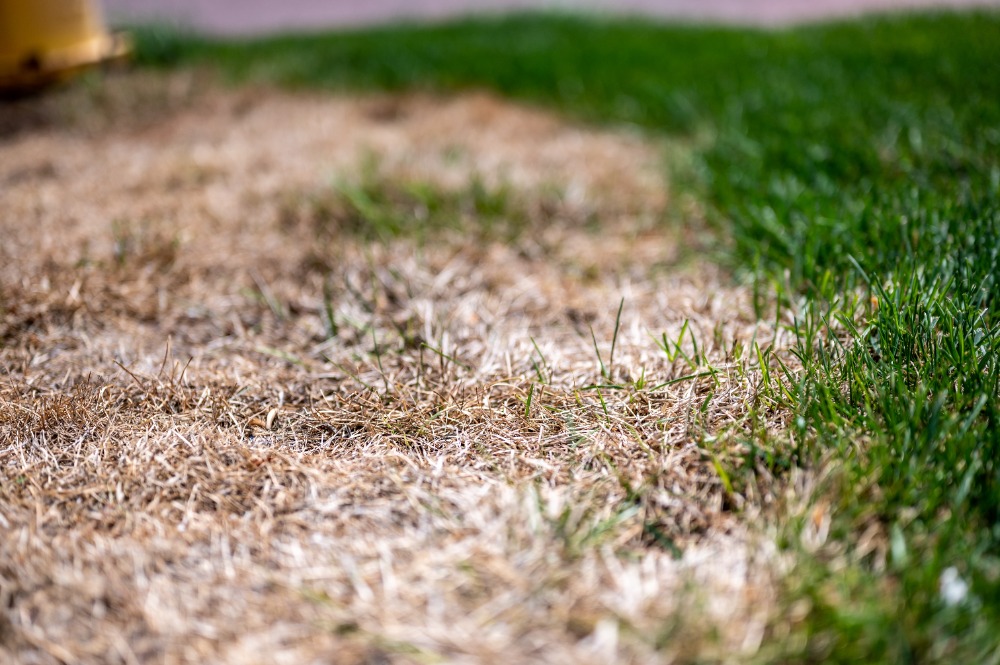
Fertilizer is designed to improve your lawn’s health and color, but when it’s misapplied or used under the wrong conditions, it can do more harm than good. If you’ve noticed brown patches, scorched grass blades, or thinning turf after a treatment, it’s natural to wonder whether fertilizer is actually damaging your grass.
The truth is, fertilizer can absolutely burn or harm your lawn under certain circumstances. In many cases, the issue isn’t the product itself, but how, when, or how much is applied. Keep reading to understand why fertilizer damage happens and what you can do to prevent it in the future.
When fertilizer damages grass, it’s usually a sign of stress rather than a lack of nutrients. Fertilizer changes the soil’s chemical balance, and your lawn has to adjust to that shift. If conditions aren’t ideal, grass may react negatively instead of responding with healthy growth.
Damage can also occur when nutrients are present but can’t be properly absorbed. Weak root systems, compacted soil, or poor moisture levels can all interfere with nutrient uptake, causing the lawn to decline even after fertilization.
One of the most common ways fertilizer damages grass is through fertilizer burn. This happens when too much fertilizer is applied or when it’s distributed unevenly across the lawn. Excess salts from the fertilizer pull moisture away from the grass, leading to dehydration and visible injury.
Burn often shows up as brown or scorched areas, sometimes in streaks or patterns that follow the application path. In mild cases, grass may recover with proper watering. In more severe situations, sections of the lawn may die off completely.
Signs of fertilizer burn:
Applying too much fertilizer is a frequent cause of lawn damage. Grass can only process a certain amount of nutrients at a time, and exceeding that limit can overwhelm the plant system.
High levels of nutrients, especially nitrogen, can trigger rapid top growth that the roots can’t support. This imbalance can lead to weakened turf, discoloration, and increased susceptibility to stress. Instead of strengthening your lawn, overapplication often leaves it more vulnerable.
Water plays a major role in whether fertilizer helps or harms your lawn. Without enough water, fertilizer can sit on the grass blades and cause burning. With too much water, nutrients can be pushed past the roots before they’re absorbed.
Inconsistent watering after fertilization often leads to uneven results, where some areas show signs of damage while others appear unaffected. Proper irrigation helps move nutrients into the soil safely and evenly.
Fertilizing during extreme weather conditions can increase the risk of lawn damage. Grass that is already stressed from heat or drought has a limited ability to process nutrients, making it more sensitive to fertilizer applications.
During these periods, your lawn is focused on survival rather than growth. Adding fertilizer can intensify stress, leading to browning, thinning, or burned patches even when the product is applied correctly.
Sometimes fertilizer damage is linked to underlying soil issues rather than the fertilizer itself. Compacted soil can restrict root growth and limit oxygen, while poor drainage can create unhealthy conditions for roots.
When soil isn’t functioning properly, grass struggles to absorb nutrients efficiently. Fertilizer can then place additional demand on an already weakened system, increasing the likelihood of damage.
Fertilizer damage isn’t always permanent. In many cases, lawns begin to recover within one to two weeks, especially if the damage is mild and addressed quickly. Recovery time depends on the severity of the burn and the overall health of the lawn.
Light damage may fade with proper watering and care, while more severe cases can take longer and may require reseeding or additional repairs.
If your lawn shows signs of fertilizer damage, applying more fertilizer is not the solution. This can worsen the problem and increase stress on the grass. Instead, focus on stabilizing conditions and helping your lawn recover.
Helpful steps include:
Fertilizer is most effective when applied during periods of active growth. Applying it at the wrong time, such as during extreme heat or dormancy, can increase the risk of damage.
Aligning fertilizer applications with your lawn’s natural growth cycle allows grass to absorb nutrients efficiently, reducing stress and minimizing the chances of burn or injury.
Professional lawn care programs are designed to apply fertilizer safely and effectively. By selecting the right products, using precise application rates, and timing treatments appropriately, professionals significantly reduce the risk of lawn damage.
They also account for factors like weather, soil conditions, and grass type, ensuring your lawn receives the nutrients it needs without being overwhelmed. This approach leads to more consistent results and a healthier, more resilient lawn.
Q: Can fertilizer really burn grass?
A: Yes. Excess fertilizer salts can draw moisture out of grass, causing burn and damage.
Q: Is fertilizer damage always permanent?
A: No. Mild damage often recovers with proper care, but severe cases may require repair.
Q: What causes fertilizer burn?
A: Overapplication, uneven spreading, and lack of water are the most common causes.
Q: Will watering help fix fertilizer damage?
A: Yes. Deep watering can help flush excess salts and support recovery.
Q: Should I fertilize again after damage appears?
A: No. Adding more fertilizer can worsen the problem and delay recovery.
Q: How can I prevent fertilizer from damaging my lawn?
A: Apply the correct amount, water properly, and avoid fertilizing during stressful conditions.

