
Last Updated:
June 9, 2026
One of the most critical decisions lawn care enthusiasts face is whether to use granular or liquid fertilizers. Granular fertilizers come in the form of slow-release pellets, while liquid lawn fertilizers are fast-acting and sprayed onto your turf.
Below, we’ll break down how each option functions and when one makes more sense than the other for your lawn fertilization needs.

Granular fertilizer consists of small, dry pellets packed with essential nutrients like nitrogen, phosphorus, and potassium, along with secondary and micronutrients that support plant health. These pellets are spread across the lawn and gradually release nutrients as they’re watered in and broken down by moisture.
One of the biggest reasons homeowners choose granular fertilizer is its extended feeding period. Instead of delivering all nutrients at once, these products are typically designed to feed grass slowly over weeks or even months, providing steady support for roots and soil biology throughout the growing season.

Liquid fertilizer is a nutrient-rich solution that’s diluted and sprayed directly onto the grass blades or applied through irrigation systems. Because the nutrients are already dissolved, they become available to the grass almost immediately after application.
This fast absorption makes liquid fertilizer especially popular for situations where lawns need a quick boost. Whether a lawn looks pale, stressed, or slow to recover, liquid options offer visible improvements in a short amount of time.
Homeowners often wonder if granular and liquid fertilizers are really accomplishing the same thing, and in theory, they are. Both types are designed to feed grass with the same core nutrients. If you compare labels and NPK ratios, you’ll notice that the nutrient percentages can be very similar regardless of whether the product is dry or liquid.
The real difference lies in timing and consistency. Liquid fertilizer delivers nutrients instantly and evenly, while granular fertilizer requires watering and time to break down properly. Granular pellets may also vary slightly from piece to piece, while liquid fertilizer ensures uniform nutrient content in every spray. Neither option is inherently better in every situation, as it all depends on what your lawn needs and when it needs it.
Granular fertilizer is ideal for homeowners who value long-term lawn strength over quick cosmetic improvement. Its slow-release properties help build strong root systems and sustained growth without forcing rapid top growth. Because fewer applications are needed, granular fertilizer is often more economical over the course of an entire season.
That said, installation takes more effort. Granules must be watered in properly to activate, and wind, pets, or foot traffic can cause uneven distribution before they dissolve. Improper application can also result in patchy growth or turf burn.
Pros:
Cons:
Liquid fertilizer appeals to homeowners who want fast improvement and precise control. Because it sprays evenly across the lawn, nutrient coverage is consistent and predictable. It’s also less affected by wind or foot traffic once applied, and application is quick and straightforward.
However, speed comes with trade-offs. Liquid fertilizers are absorbed quickly, meaning nutrients don’t stick around as long. Hot summer conditions can cause evaporation, and heavy rain can wash nutrients away. As a result, lawns often need more frequent treatments, which can increase costs and maintenance time.
Pros:
Cons:
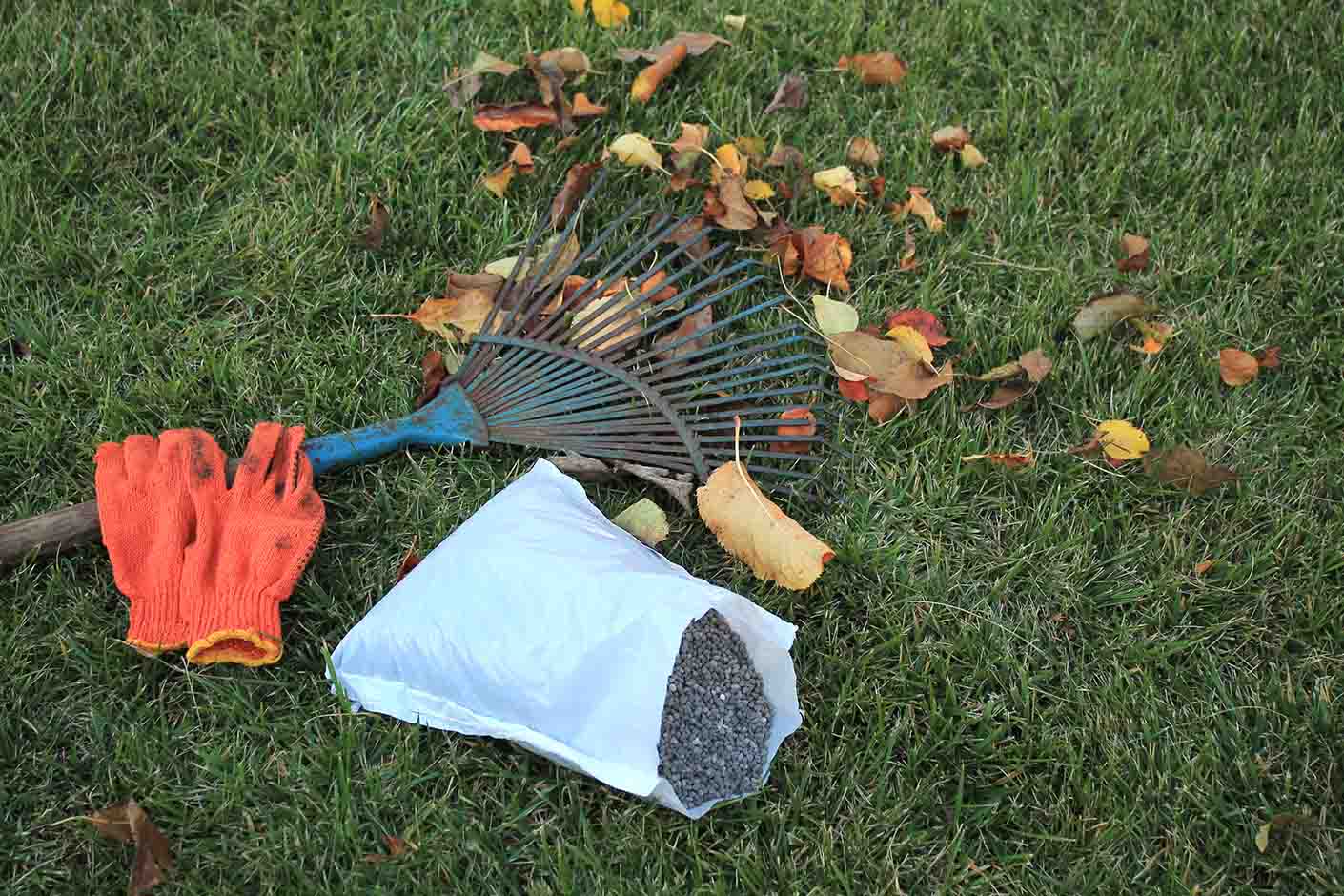
Granular fertilizer is especially useful during fall lawn care. As leaves and small debris accumulate, liquid fertilizer can get absorbed by material sitting on top of the lawn instead of the grass itself. Granular pellets, on the other hand, filter down between debris and continue feeding the lawn long after application.
Granular fertilizer is also commonly used to prepare lawns for winter. Many formulas support dormancy by strengthening roots and helping turf withstand cold temperatures, reducing winter stress and spring dieback.
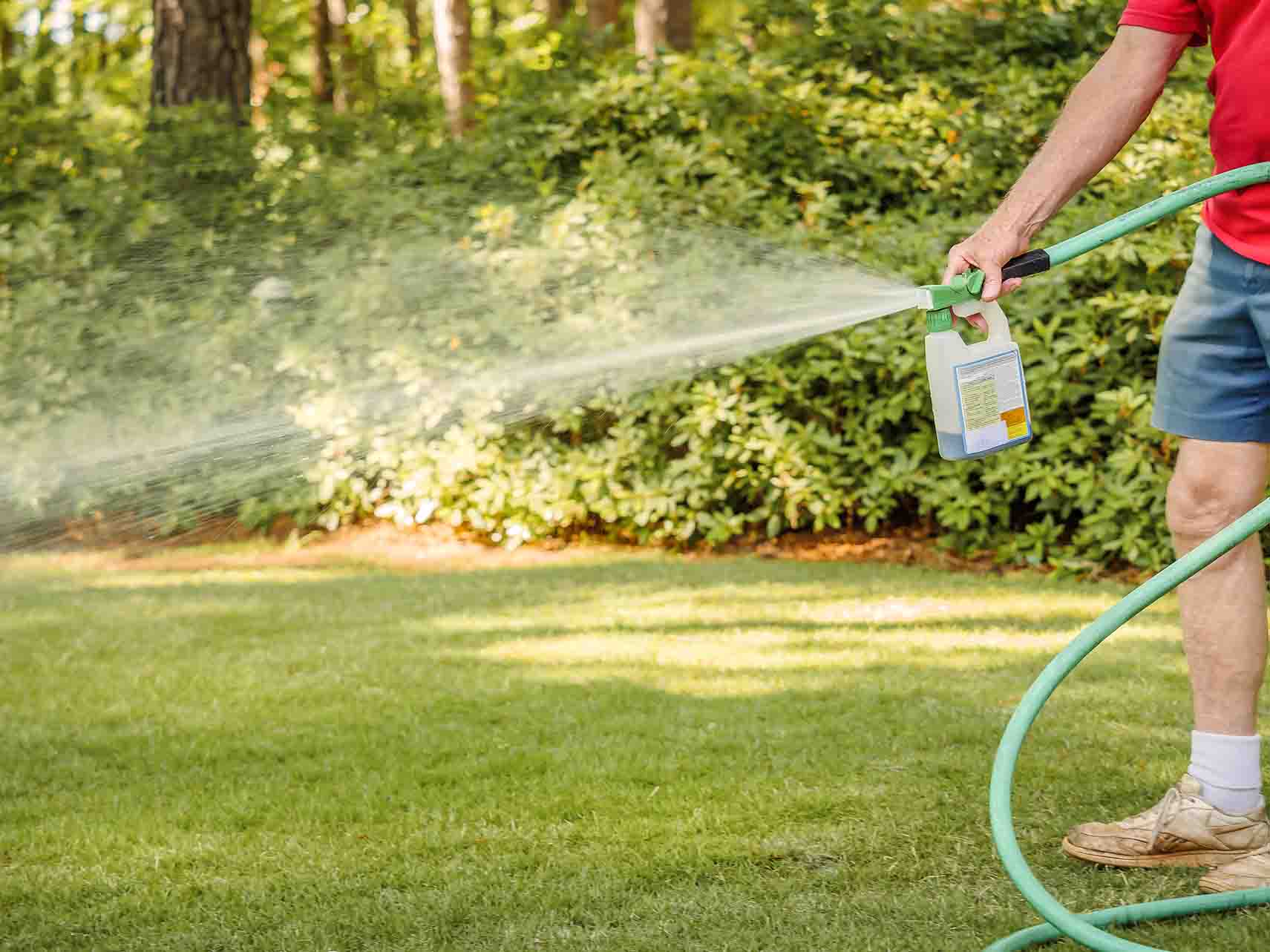
Liquid fertilizer is an excellent choice for new lawns and fresh seedlings. Since nutrients are distributed evenly, young grass gets a consistent supply of food right from the start, reducing the risk of uneven emergence.
It’s also a strong option for spring green-up. Lawns coming out of dormancy or showing signs of stress benefit from the immediate nutrient availability that liquid fertilizer provides, helping grass bounce back quickly as temperatures rise.
Both granular and liquid fertilizers can improve your lawn, but only when applied properly and at the right times. Overusing liquid fertilizer can lead to stressed, weak turf, while incorrect granular applications often result in patchy growth or wasted product.
Professional lawn fertilization is applied by trained technicians who know how to balance timing, product type, and application rates so your lawn gets exactly what it needs without the risk of damage. Reach out to us today if you are looking for professional lawn fertilization in Champaign, Illinois!

