
Last Updated:
June 9, 2026
Improving the shape of your shrubs is the most noticeable benefit of trimming and pruning, but proper trimming also plays a major role in how shrubs develop and produce flowers throughout the year. Strategic pruning encourages healthier branch structure, improves light penetration, and helps plants direct their energy toward productive growth rather than maintaining unnecessary stems.
Without regular trimming, shrubs can become crowded and less productive. Older branches may begin competing with newer growth, reducing flowering potential and limiting overall vigor. If you've ever wondered why some shrubs flower heavily while others seem sparse and unproductive, trimming practices are often part of the answer!
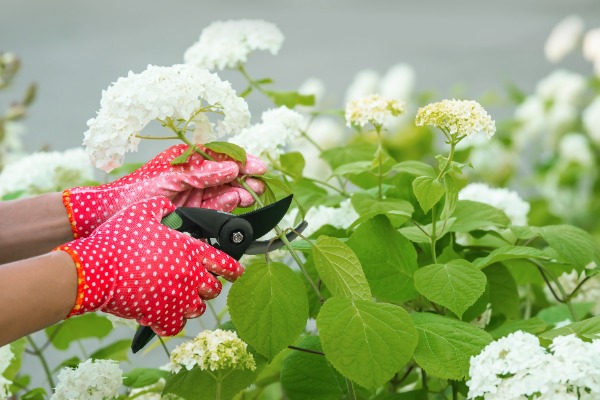
Shrubs are constantly growing and adapting to their environment. As branches expand and new shoots emerge, plants naturally allocate resources throughout their structure. Over time, some stems become less productive while others compete for sunlight, water, and nutrients.
Trimming helps redirect the plant's energy toward healthier growth. By removing selected branches, shrubs can focus their resources on developing stronger stems, producing new shoots, and supporting future blooms.
Benefits Of Proper Shrub Trimming:
Flowering shrubs often perform best when old, weak, or unproductive branches are periodically removed. As shrubs age, certain stems may continue consuming resources while contributing little to flowering performance.
Selective trimming stimulates the development of younger growth, which is often where many flowering shrubs produce their best blooms. Opening up the canopy also allows more sunlight to reach developing buds throughout the plant.
When light can penetrate deeper into the shrub, flower production becomes more evenly distributed instead of being concentrated only on the outer portions. This often results in fuller displays of blooms and a more attractive plant overall.
Dense, overcrowded shrubs can create conditions that limit healthy development. When branches become packed together, airflow decreases and moisture may remain trapped within the plant for extended periods.
Poor circulation can contribute to several problems that affect growth and flowering. By thinning selected branches, trimming creates space throughout the shrub and allows air to move more freely. Improved airflow can help:
As shrubs mature, older branches can gradually become less productive. These stems may still occupy valuable space within the plant even though they contribute little to future growth or flowering.
Proper trimming removes some of this aging wood and creates opportunities for new shoots to emerge. Young growth is typically more vigorous and often produces healthier foliage and stronger flowering potential.
This renewal process is especially important for shrubs that naturally become dense over time. Without occasional thinning and rejuvenation, older branches can dominate the plant and reduce its overall performance.
Many homeowners wait until shrubs become severely overgrown before taking action. However, several early warning signs can indicate that trimming would benefit the plant.
Recognizing these indicators can help prevent larger problems and keep shrubs growing at their best.
Common Signs A Shrub Needs Attention:
While trimming can significantly improve shrub performance, improper techniques may have the opposite effect. One of the most common mistakes is removing too much growth at one time. Excessive pruning can stress the plant and reduce flowering for the season.
Another frequent issue is trimming at the wrong time of year. Some flowering shrubs develop buds months before they bloom. Cutting these plants at the wrong time can remove future flowers before they have a chance to open.
Mistakes To Avoid:
The healthiest and most attractive shrubs are usually the result of consistent maintenance rather than occasional major pruning projects. Regular trimming allows plants to develop gradually while maintaining strong structure and reliable flowering.
Instead of waiting for shrubs to become overgrown, establishing a routine care schedule helps preserve plant health and encourages continuous growth. Small adjustments made throughout the year are often more effective than drastic cuts performed after years of neglect.
When trimming is approached as a tool for plant health rather than just appearance, shrubs often reward homeowners with stronger growth, fuller foliage, and more impressive flowering displays season after season.
Q: Does trimming really help shrubs produce more flowers?
A: In many cases, yes. Proper trimming removes unproductive growth and encourages the development of newer branches that often produce more blooms.
Q: Can trimming too much reduce flowering?
A: Yes. Excessive pruning can stress the shrub and may remove developing flower buds, reducing bloom production.
Q: Why does airflow matter for flowering shrubs?
A: Better airflow helps sunlight reach more of the plant and creates healthier growing conditions that support stronger growth and flowering.
Q: How often should shrubs be trimmed?
A: The frequency depends on the species, growth rate, and landscape goals, but most shrubs benefit from periodic maintenance throughout the year.
Q: What happens if a shrub is never trimmed?
A: Over time, shrubs can become overcrowded, develop weak interior growth, produce fewer flowers, and lose their overall shape.
Q: Is it better to trim flowering shrubs immediately after they bloom?
A: For many spring-flowering shrubs, trimming shortly after blooming can help preserve next season's flower buds while maintaining healthy growth.

