
Last Updated:
November 14, 2026

Illinois lawns have to withstand a wide range of winter conditions, from freezing temperatures and icy winds to heavy snowfall and repeated freeze-thaw cycles. As fall progresses, grass gradually slows its growth and prepares for dormancy. How well the lawn is maintained during this transition can influence its ability to withstand winter and recover once warmer weather returns.
Fall is an important opportunity to strengthen Illinois turf before the growing season comes to an end. Aeration, overseeding, fertilization, and a few other seasonal adjustments can help protect grass from winter stress and set the stage for healthier spring growth.
Illinois lawns can develop compacted soil after months of mowing, outdoor activities, and everyday foot traffic. When soil becomes too dense, grass roots have a harder time accessing the oxygen, moisture, and nutrients needed to remain healthy.
Core aeration helps address this problem by extracting small plugs of soil throughout the lawn. These openings improve air circulation below the surface and allow water and nutrients to reach deeper into the soil.
For many Illinois lawns, early fall is an ideal time to schedule aeration. Cool-season grasses such as Kentucky bluegrass and tall fescue can take advantage of favorable fall growing conditions to recover from the process and continue developing their root systems.

By the time summer ends, Illinois lawns may have areas of thinning grass caused by heat, drought, insects, or disease. Overseeding provides an opportunity to improve turf coverage before winter arrives.
Early fall is particularly favorable for establishing cool-season grasses in Illinois. Warm soil encourages seed germination, while cooler temperatures create more comfortable conditions for young grass to develop.
Before spreading new seed, prepare the affected areas by loosening the soil and removing excessive thatch. Good seed-to-soil contact and consistent moisture are important for successful establishment, especially when temperatures begin dropping later in the season.
Fall is one of the most valuable periods for fertilizing Illinois cool-season lawns. Although cooler weather gradually slows the growth of grass blades, roots can remain active and continue developing before the ground becomes too cold.
Providing the right nutrients during this period helps grass maintain its health after summer and prepare for winter dormancy. Fertilizer selection should account for the lawn's existing nutrient levels, grass variety, and previous applications.
Rather than applying fertilizer based on the calendar alone, consider having your soil tested to identify any deficiencies. A well-planned fall fertilization program can help:
Illinois grass may continue growing well into fall, particularly when temperatures remain mild and rainfall is consistent. This means your mowing schedule should change gradually rather than ending as soon as autumn begins.
Keep mowing whenever the grass continues to grow, adjusting the frequency as temperatures drop. Avoid making an unusually low final cut in an attempt to prepare the lawn for snow. Grass that is cut too short may have less protection against winter conditions, while overly long turf can become flattened beneath snow and moisture.
As the mowing season winds down:
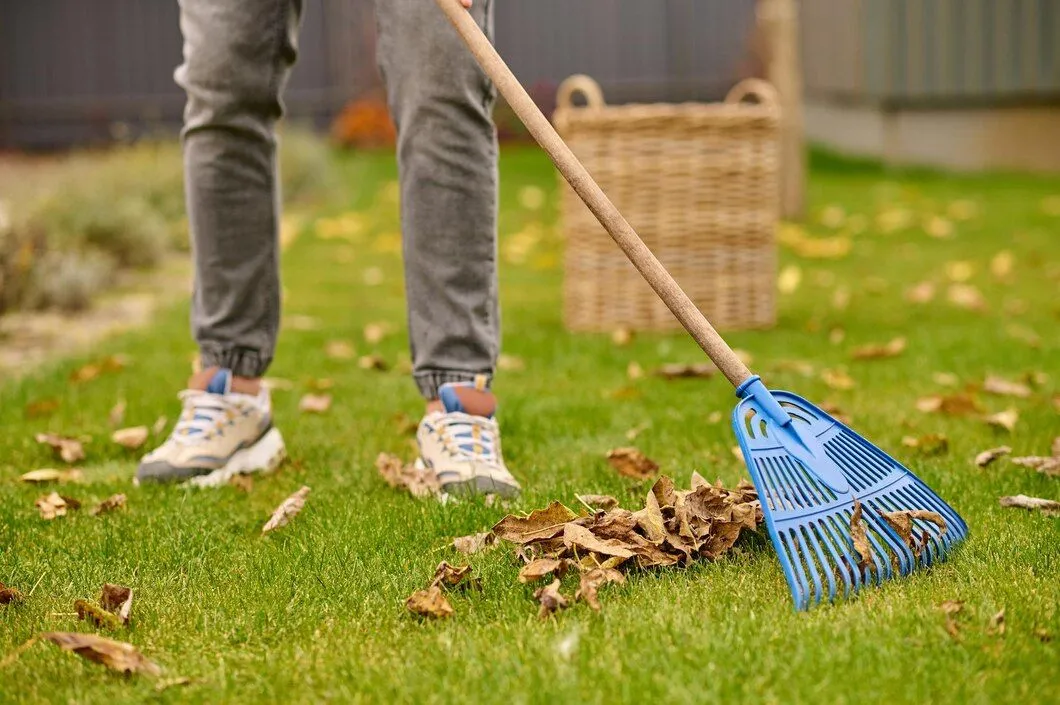
Illinois trees can produce substantial amounts of fallen leaves throughout autumn, making regular lawn cleanup an important seasonal responsibility. While a small amount of finely shredded foliage can break down naturally, thick accumulations can create problems for the turf underneath.
Wet leaves tend to stick together and form dense layers that limit sunlight and restrict airflow. If left in place, these conditions can contribute to fungal growth and weakened grass, particularly as temperatures fluctuate.
Rake or mulch leaves regularly instead of allowing them to accumulate until the end of fall. Mulching can be an effective option when the leaves are dry and chopped into small pieces that can settle between grass blades without covering the turf.
Many Illinois weeds become easier to target during fall because they are still actively growing even as desirable turfgrass begins slowing down. This makes autumn a useful time to address certain broadleaf weeds before winter.
Perennial weeds are particularly important to consider. As they prepare for dormancy, they move resources toward their roots, which can make appropriately timed treatments more effective.
Start by identifying the weeds growing throughout your property. Different species require different control methods, so choosing an appropriate treatment is important for achieving good results without harming the surrounding grass.
Preparing your Illinois lawn for winter isn't just about completing routine maintenance. It's also an opportunity to identify conditions that could affect turf health during the colder months or become more noticeable after the snow melts.
Look for areas with excessive thatch, poor drainage, uneven growth, or signs of disease. These issues can make grass more vulnerable to winter damage, especially when moisture remains trapped near the soil surface.
Drainage deserves particular attention in Illinois, where fall rainfall and winter precipitation can leave certain parts of the yard saturated. Standing water can contribute to turf deterioration, while compacted soil may prevent excess moisture from draining properly.
Q: When should I begin getting my Illinois lawn ready for winter?
A: Start preparing your lawn in early fall, while cool-season grass is still actively growing. September and October are generally important months for aeration, overseeding, fertilization, and other maintenance before temperatures become consistently cold.
Q: Is fall aeration beneficial for Illinois lawns?
A: Yes. Core aeration can help loosen compacted Illinois soil and improve the movement of water, oxygen, and nutrients around grass roots. Early fall generally provides favorable recovery conditions for cool-season turf.
Q: When is the best time to overseed an Illinois lawn?
A: Early fall is typically the best time to overseed cool-season lawns in Illinois. Warm soil temperatures encourage germination, while cooler weather helps young grass establish without the stress of summer heat.
Q: Does an Illinois lawn need fertilizer before winter?
A: Fall fertilization can help cool-season grass replenish nutrients and continue developing roots before winter dormancy. The appropriate fertilizer and application timing depend on soil conditions, grass type, and previous treatments.
Q: What should I do with fallen leaves before winter?
A: Remove thick layers of leaves through regular raking or mulching. Heavy leaf coverage can restrict sunlight and airflow, potentially weakening the grass and contributing to moisture-related lawn problems.
Q: When should I winterize my sprinkler system in Illinois?
A: Schedule sprinkler system winterization before freezing temperatures become established. Removing water from irrigation lines and components helps prevent frozen pipes, cracked fittings, and other damage during Illinois winters.

