
Last Updated:
June 9, 2026
Many homeowners attempt DIY lawn mowing to save money, but there are compelling reasons why hiring a professional lawn care service may be a better investment. Professional lawn mowing offers more consistent results, saves time, and often improves overall turf health compared to DIY mowing. The convenience of mowing your own lawn may be appealing, but this post will explore some of the ways DIY lawn mowing can be more costly than you think.
Professional lawn care services bring expertise, equipment, and consistent maintenance schedules that most homeowners can’t match on their own. Trained technicians know how to adjust mower heights for different grass types, mow in patterns that encourage even growth, and prevent common lawn issues like scalping or uneven cutting.
Regular professional mowing can improve turf density and color over time. By maintaining proper mowing heights, professionals help lawns retain moisture, resist weeds, and develop deeper, healthier roots. Additionally, scheduled services ensure the lawn is cared for even during busy weeks or vacation periods, providing peace of mind.
Some of the major benefits of professional mowing include:
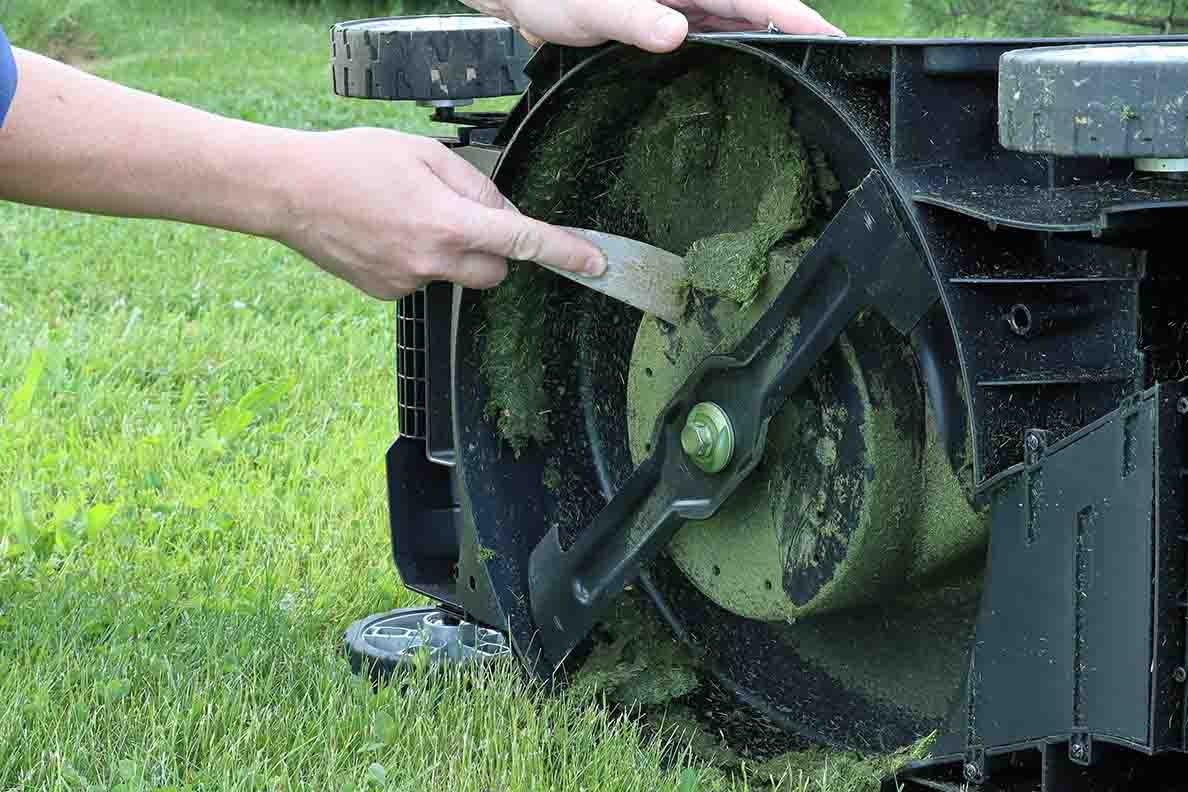
Mowing your lawn yourself can be satisfying and cost-effective, especially if you enjoy hands-on yard work. It allows you to choose your schedule, ensure the lawn is cared for to your personal standards, and avoid ongoing service fees. However, DIY mowing comes with challenges. Uneven mowing, improper blade maintenance, and cutting too short or too infrequently can all negatively impact lawn health.
Many homeowners also underestimate the time and physical effort required, particularly for larger properties. Over time, inconsistent mowing can lead to patchy growth, increased weed pressure, and weakened root systems.
Key considerations for DIY mowing include:
Cost is often a deciding factor for homeowners considering professional mowing versus DIY. While DIY avoids service fees, there are still hidden costs like fuel, mower maintenance, and replacement parts. Professional services charge for labor and equipment, but many homeowners find the consistency, quality, and time savings justify the expense.
Typical cost comparisons include:
Professional mowing often goes beyond just cutting grass. Many services include additional elements that improve lawn health. These benefits can extend the life of your lawn, reduce the need for corrective treatments, and increase curb appeal.
Deciding whether to hire a professional or mow your lawn yourself depends on priorities such as time, budget, and desired lawn quality. DIY mowing is a viable option for smaller yards or those who enjoy yard work, but professional services provide consistent results, expert knowledge, and reduced effort.
For homeowners seeking a lush, well-manicured lawn without dedicating significant time or risking improper care, professional mowing is often the smarter choice. Those comfortable with DIY work, equipped with proper tools, and consistent with mowing schedules may successfully maintain their lawn on their own.
Whether mowing yourself or hiring a professional, there are key practices that support a healthier lawn. Keep the following tips in mind to ensure that your lawn can flourish after lawn mowing, no matter who cuts your grass:
Q: Is professional lawn mowing really worth the extra cost?
A: Yes. Professional mowing saves time, ensures consistent cutting height, promotes healthier grass, and reduces the risk of mistakes that can weaken your lawn over time. For busy homeowners or larger yards, the investment often pays off in quality and convenience.
Q: Can I maintain a lawn just as well on my own?
A: DIY mowing can work for small lawns or if you have experience, proper equipment, and time. However, inconsistent mowing, dull blades, or improper height adjustments can negatively impact turf health compared to professional care.
Q: How often should a lawn be mowed professionally?
A: Most lawns benefit from weekly mowing during the growing season. Frequency can be adjusted based on grass type, growth rate, and seasonal conditions. Professionals often schedule 20–25 visits per year to maintain optimal appearance.
Q: Does professional mowing include extras like edging or trimming?
A: Many services include edging along sidewalks, driveways, and flower beds, as well as trimming around obstacles. These details improve overall lawn appearance and prevent grass from encroaching on other landscaping elements.
Q: Will DIY mowing save me money long-term?
A: DIY mowing can reduce upfront service costs, but it comes with hidden expenses such as fuel, maintenance, equipment replacement, and the value of your time. Professional mowing consolidates these costs into predictable fees while providing consistent results.
Q: Can professional mowing help prevent lawn problems?
A: Yes. Professionals monitor for signs of pests, disease, and uneven growth, allowing issues to be addressed early. They also adjust mowing patterns and heights to reduce stress on the lawn and improve root development.

