
Last Updated:
July 4, 2026
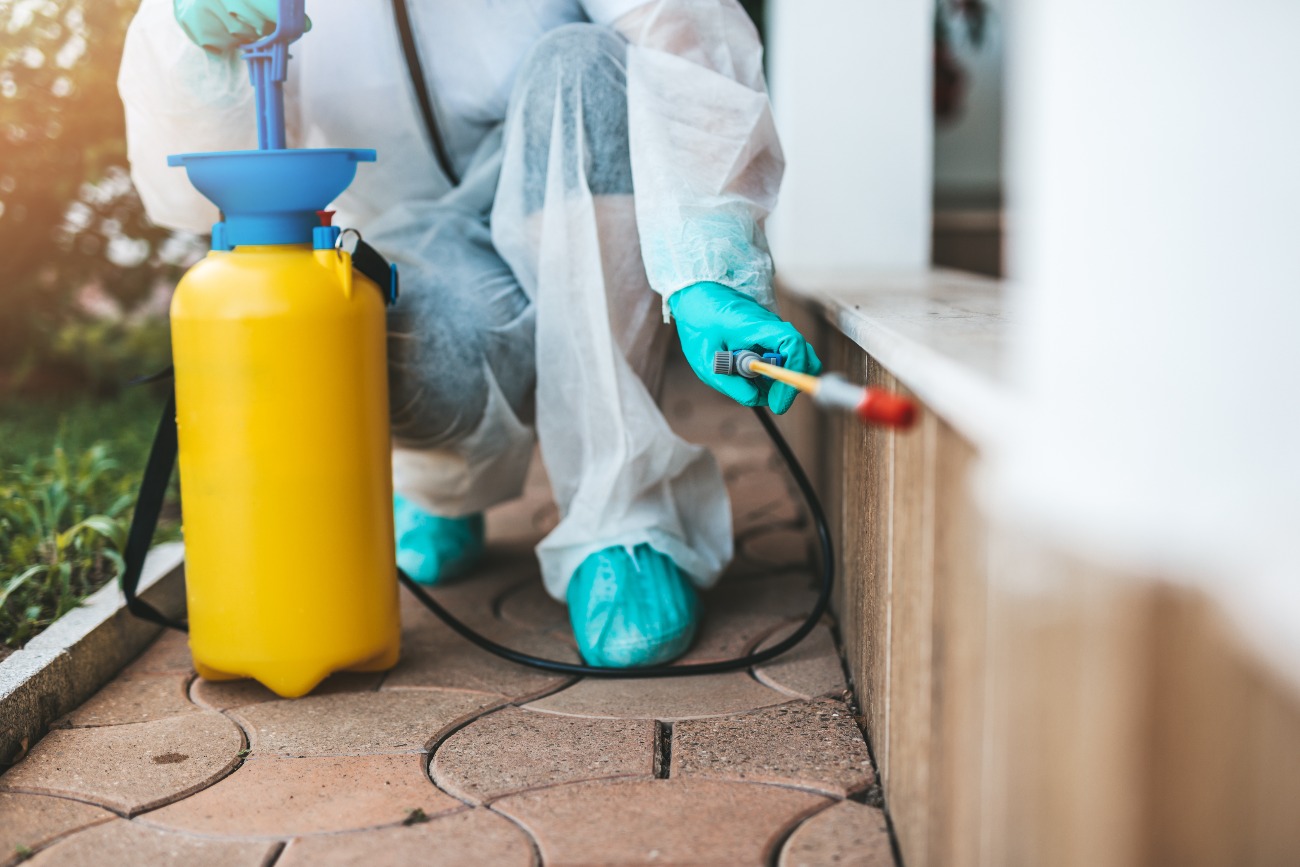
When ants start appearing in the kitchen, spiders begin spinning webs around the porch, or stink bugs gather near windows and doors, DIY bug sprays often provide quick results after application. Unfortunately, those results are frequently temporary, and the pests usually return days or weeks later.
Keeping insects out of your home requires more than simply spraying the bugs you can see. Long-term control depends on creating a protective barrier, targeting nesting areas, and understanding how different pests behave throughout the year. DIY products have their uses, but they often can't match the consistency or effectiveness of a professional exterior pest control program.
Most over-the-counter bug sprays are designed to kill insects that come into direct contact with the product or leave behind a temporary residue that affects pests crossing the treated area. Homeowners commonly spray around foundations, patios, entry doors, garages, windows, and other areas where insects are frequently noticed.
Many products advertise control for dozens of crawling insects, including ants, spiders, earwigs, stink bugs, crickets, beetles, and other occasional invaders. While these sprays can eliminate active insects, they often focus on treating visible activity rather than preventing new pests from arriving. Because many insects live beneath mulch, inside wall voids, under rocks, or around landscaping, spraying exposed surfaces alone rarely eliminates the source of the problem.
Store-bought insecticides contain various active ingredients intended to kill or repel common household pests. Although formulations differ by manufacturer, most consumer products are designed to be easy for homeowners to apply while balancing effectiveness with general residential use.
Many products rely on ingredients that provide temporary residual protection, but weather, irrigation, and sunlight gradually reduce their performance. Common types of ingredients include:
There are situations where handling a pest problem yourself makes perfectly good sense. Small, isolated infestations can often be managed with consumer products, particularly if insects haven't established large nesting areas around the property. DIY sprays are often helpful for:
One of the biggest limitations of DIY insect control is that homeowners typically treat the symptoms rather than the source of the infestation. Killing insects that wander indoors doesn't necessarily eliminate colonies, nesting sites, or entry points outside the home.
Without addressing where pests live and how they're entering the structure, populations often rebound quickly. Common challenges with DIY treatments include:
Professional exterior pest control focuses on preventing insects from entering your home in the first place by targeting hotspots around the exterior. This may include mulch beds against the foundation, gaps around utility penetrations, moisture issues, landscaping that touches the home, or other areas where insects commonly hide.
Rather than applying insecticides randomly, professionals strategically treat key areas around the home's perimeter, including foundations, entry points, eaves, landscaping, cracks, crevices, and other high-risk locations.
While purchasing a can of insect spray may seem like the less expensive option, repeated treatments can quickly add up without delivering lasting control. Professional service typically focuses on prevention, allowing homeowners to spend less time chasing individual pest problems throughout the year.
DIY Bug Sprays:
Professional Exterior Pest Control:
If you've only spotted a few insects and the activity is isolated, a DIY spray may provide enough short-term control to solve the immediate issue. However, when ants continue returning, spiders repeatedly rebuild webs, or seasonal invaders like stink bugs find their way indoors year after year, professional exterior pest control offers a far more comprehensive solution.
Instead of continually treating individual insects after they've entered your home, professional perimeter treatments help stop infestations before they start. The result is fewer pests indoors, less time spent spraying, and more consistent protection throughout every season.
Q: How long does a professional exterior pest control treatment last?
A: Most professional perimeter treatments provide several weeks to several months of protection, depending on the products used, weather conditions, pest pressure, and your provider's recommended service schedule.
Q: Do DIY bug sprays keep insects away permanently?
A: No. Most consumer sprays provide temporary control by killing insects on contact or leaving behind a short-lived residue. New insects can continue entering the area once the treatment begins to break down.
Q: What pests can professional exterior pest control help manage?
A: Exterior pest control programs commonly target ants, spiders, stink bugs, earwigs, crickets, centipedes, pill bugs, beetles, silverfish, and many other crawling insects that frequently invade homes.
Q: Is it better to treat the outside of the home instead of spraying indoors?
A: In many cases, yes. Exterior perimeter treatments focus on stopping insects before they enter the home, reducing indoor pest activity and minimizing the need for interior treatments.
Q: Are professional pest control treatments safe around families and pets?
A: When applied according to product labels and industry guidelines, professional treatments are designed for residential use. Your pest control provider will explain any temporary precautions, such as allowing products to dry before normal activity resumes.
Q: How often should I schedule professional exterior pest control?
A: Many homeowners choose quarterly treatments to maintain a consistent protective barrier throughout the year. Homes with higher pest pressure or recurring infestations may benefit from more frequent service based on seasonal conditions and local pest activity.

