
Last Updated:
September 5, 2026
Mulching seems like one of those landscaping projects that should be easy enough to handle yourself. Buy a few bags of mulch, spread it around the flower beds, and the job is done. In reality, however, getting a landscape to look polished while also providing the benefits mulch is supposed to offer takes more planning and labor than many homeowners expect.
For homeowners who want attractive landscaping without spending an entire weekend hauling and spreading mulch, professional installation may be a much better option. Keep reading to discover why professional mulching may be a better option than DIY landscaping.
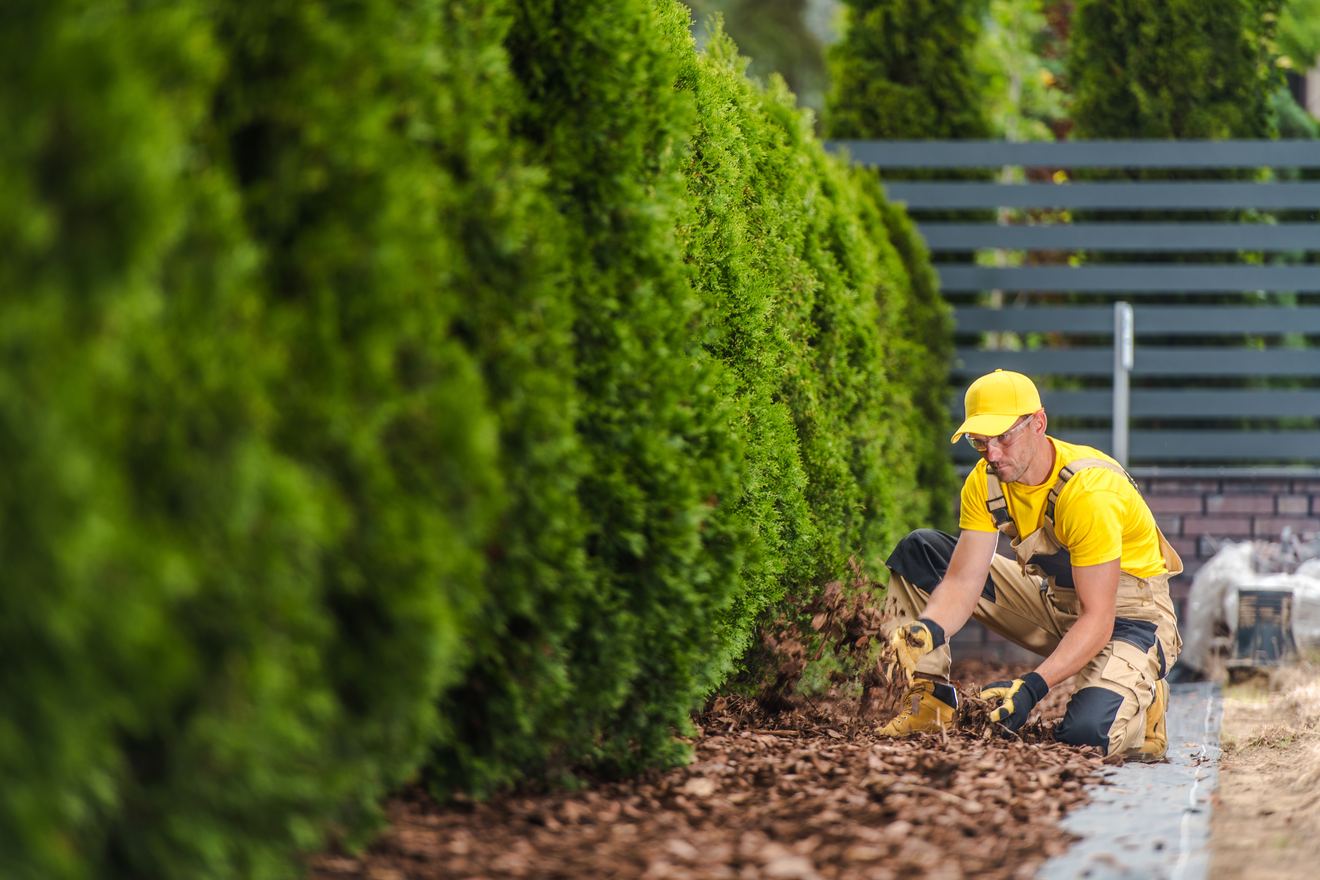
Good mulch installation is about more than covering bare soil. When installed correctly, mulch can help conserve moisture, moderate soil temperatures, suppress weeds, and protect plant roots. Professionals understand how much mulch different landscape areas need and where it should or should not be placed.
Compacted soil, weeds, exposed roots, damaged edging, and drainage issues can all affect the finished result. Taking care of these concerns before installation helps prevent fresh mulch from simply covering up existing landscaping problems. Some important advantages of professional mulch installation include:
DIY mulching certainly has its advantages. For someone with a small garden bed, access to the necessary tools, and plenty of free time, spreading mulch can be a manageable weekend project. Doing the work yourself also gives you complete control over the material, timing, and final appearance.
The challenge is that mulch becomes surprisingly labor-intensive once you are dealing with multiple beds or a larger property. Bags have to be purchased and transported, bulk mulch has to be loaded and moved, and every section of the landscape needs to be spread by hand. Common DIY mulching challenges include:
At first glance, DIY mulching may seem like the obvious way to save money. You only pay for the mulch and whatever supplies you need. However, the actual cost of a DIY project can include delivery fees, transportation, wheelbarrow use, landscaping tools, disposal of old material, and most importantly, your own time.
Professional installation combines the material and labor into one project and eliminates much of the physical work. While the initial price may be higher than spreading mulch yourself, the difference can be worthwhile for larger properties or homeowners who want a polished result without spending their free time on landscaping.
DIY Mulching:
Professional Mulch Installation:
Fresh mulch can dramatically change the appearance of a property, but professional installation provides benefits beyond simply making beds look newer. Experienced landscapers know how to work around trees, shrubs, flowers, edging, and other features while maintaining a consistent finished appearance.
A professional installation may also make it easier to maintain the landscape throughout the growing season.
The biggest advantage of professional mulch installation is that you are paying for more than the mulch itself. You are paying for the labor, equipment, experience, and finished result. Professional installation becomes especially valuable when beds are large, irregularly shaped, difficult to access, or surrounded by established plants.
DIY mulching can work for smaller projects, but professional installation removes much of the guesswork and physical effort. For homeowners who prioritize appearance, convenience, and a properly finished landscape, hiring a professional is often the smarter investment.
Whether you install mulch yourself or hire a landscaping company, a few basic practices can help protect your plants and keep your landscape looking its best:
Q: Is professional mulch installation really worth the cost?
A: For many homeowners, yes. Professional installation saves substantial time and physical effort while providing even coverage, proper bed preparation, and a cleaner finished appearance. It can be particularly worthwhile for large or complicated landscapes.
Q: Can I install mulch myself?
A: Absolutely. DIY mulching is possible for smaller landscaping projects. However, larger beds require considerable material handling and labor, making professional installation a more convenient option.
Q: How thick should mulch be installed?
A: In general, mulch should be applied at a moderate, consistent depth rather than piled heavily around plants. The appropriate depth can depend on the mulch material and landscape conditions, but excessive mulch can create problems for trees and shrubs.
Q: Should old mulch be removed before adding new mulch?
A: Not always. If the existing mulch has simply become thin or settled, it may be possible to add a fresh layer. However, excessively deep mulch or beds containing significant debris or weed growth may benefit from preparation before new material is installed.
Q: Does professional mulching help with weeds?
A: Properly installed mulch can help suppress weed growth by blocking light and creating a barrier between weed seeds and the soil surface. It works best when existing weeds are addressed before the new mulch is installed.
Q: How often should mulch be replaced?
A: The timing depends on the type of mulch, weather exposure, and how quickly it decomposes or becomes displaced. Many landscapes benefit from having their mulch inspected and refreshed annually rather than automatically replacing everything on a fixed schedule.

