
Last Updated:
June 9, 2026
Knowing when to trim shrubs is essential for maintaining a healthy yard or landscape. In Illinois, late winter to early spring is the best time of year to trim, prune, and shape your shrubs. Trimming at the wrong point in the year can limit flowering, slow recovery, or leave plants vulnerable to disease and weather damage.
Keep reading to learn when you should, and should not, trim your shrubs in Illinois!
For the majority of shrubs grown in Illinois, late winter through early spring is the most effective time to prune. During this period, shrubs remain dormant, meaning they are not actively producing leaves or new shoots. Because growth has paused, plants are far less sensitive to stress caused by trimming, and energy reserves remain intact for the upcoming growing season.
Cold-season pruning also limits sap movement and eliminates the risk of damaging tender new growth. As temperatures gradually warm, shrubs naturally shift stored energy toward producing fresh shoots and foliage. Trimming just before this growth begins helps guide the plant’s structure and encourages balanced development once spring arrives. For many flowering shrubs, this timing can lead to stronger blooming later in the season.
Dormant pruning offers several benefits that directly support shrub health, especially in climates like Illinois where winters slow biological activity. With leaves absent, it is easier to assess the overall structure of a shrub and identify weak, damaged, or overcrowded branches that need attention.
It’s important to remember that dead or diseased branches should always be removed as soon as they are noticed, regardless of season. Dormant pruning should be viewed as a routine, annual practice that complements ongoing maintenance rather than replacing it. Some of the key benefits of winter dormancy pruning include:

Seasonal timing matters, but shrubs should also be trimmed based on their physical condition. Dead, damaged, or diseased branches are the most obvious signs that pruning is necessary. These problem areas not only affect appearance but can also harbor pests or spread disease to healthy growth if left untreated.
Dense, overcrowded shrubs are another indicator. When branches overlap heavily, airflow and sunlight are restricted, creating damp conditions that encourage fungal issues. Strategic trimming opens the canopy, improves circulation, and allows light to reach interior branches. Blooming habits also influence timing. Shrubs that flower on old wood, such as lilacs or forsythia, should typically be pruned shortly after flowering to avoid removing next year’s buds.
Proper technique is just as important as proper timing. Always begin with clean, sharp tools to ensure smooth cuts and prevent tearing. Ragged cuts heal slowly and increase the risk of disease. Trimming should be done just above a healthy bud or lateral branch, using a slight angle to encourage proper healing.
Start by removing unhealthy wood, then address branches that cross or rub together, as these can cause wounds and weaken structure. Opening the center of the shrub helps improve airflow and light penetration. However, moderation is critical. Following the one-third rule, which is not removing more than one-third of the shrub’s total growth in a single session, helps prevent stress and supports steady recovery.
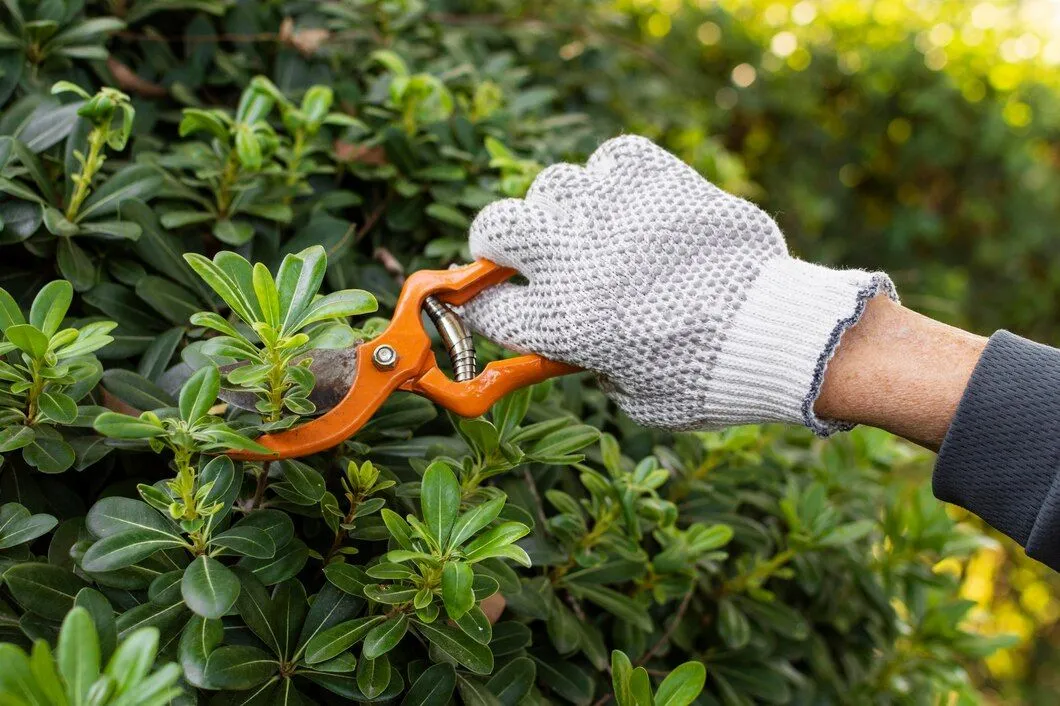
Different pruning goals require different types of cuts. Understanding these methods helps ensure trimming improves plant health rather than damaging it.
Having the correct tools and approach makes a significant difference in pruning success. Hand pruners work well for small branches, while loppers and pruning saws are better for thicker wood. Hedge shears may be useful for light shaping but should not replace proper pruning tools for woody growth. Keeping tools clean helps prevent disease spread and improves cut quality.
Keep the following tips in mind when trimming shrubs:
Q: Can shrubs be trimmed during summer in Illinois?
A: Light trimming can be done in summer to remove damaged branches or control minor overgrowth, but heavy pruning should be avoided. Summer pruning can stress shrubs during heat and drought, slowing recovery and increasing the risk of disease.
Q: What happens if I trim shrubs too late in the fall?
A: Late-fall trimming can stimulate new growth that won’t have time to harden off before winter. This tender growth is more likely to suffer cold damage, which can weaken the shrub heading into spring.
Q: Are there shrubs that should not be trimmed in late winter?
A: Yes. Shrubs that bloom on old wood, such as lilacs and forsythia, should generally be pruned right after they finish flowering. Late-winter trimming can remove developing flower buds and reduce blooms.
Q: How do I know if a shrub is dormant?
A: Dormant shrubs will have no active leaf growth and firm, woody stems. In Illinois, most shrubs enter dormancy after consistent cold temperatures and remain dormant until early spring.
Q: Is it okay to trim shrubs every year?
A: Annual trimming is usually beneficial when done correctly and at the right time. Regular pruning helps maintain shape, encourages healthy growth, and prevents overcrowding, but excessive pruning can stress plants.
Q: Should I hire a professional to trim my shrubs?
A: Professional trimming can be helpful for large, mature, or high-value shrubs. Professionals understand proper timing, techniques, and plant-specific needs, reducing the risk of accidental damage.

