
Last Updated:
June 9, 2026
A slightly overgrown lawn may not seem like a major concern. However, when mowing is skipped for several weeks, grass begins growing in ways that can negatively affect the lawn’s appearance and health.
Regular mowing helps turf grow evenly and distribute energy properly throughout the plant. When a lawn grows unchecked for too long, the grass becomes stressed once it is finally cut, and that stress can trigger a chain reaction of issues ranging from shallow roots to increased weed activity.
Grass that grows excessively tall starts competing with itself for sunlight, airflow, and nutrients. The upper portion of the lawn may appear thick, but lower blades often become shaded and weak. As grass stretches upward, energy is focused more on vertical growth than on strengthening roots or spreading laterally across the soil surface.
Once mowing is delayed too long, bringing the lawn back under control usually requires removing a large percentage of the blade at once. This sudden reduction shocks the grass plant and forces it into recovery mode. Instead of supporting healthy growth, the lawn must redirect energy toward repairing damaged tissue.
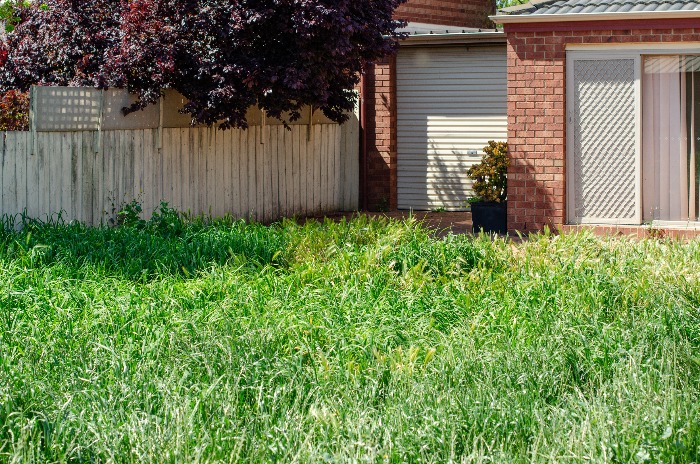
Skipping mowing for extended periods creates conditions that make lawns more vulnerable to stress. Thick, overgrown turf traps moisture, limits airflow, and creates uneven growing conditions throughout the yard. This imbalance weakens the lawn’s ability to resist disease, pests, and drought.
Problems commonly caused by delayed mowing include:
When grass becomes too tall, mowing it back to a normal height often removes far more than the recommended one-third of the blade. This sudden cut dramatically reduces the plant’s ability to photosynthesize efficiently. Without enough leaf surface remaining, the grass struggles to produce the energy needed for healthy growth and root support.
The lawn may temporarily turn pale, thin out, or develop brown patches after mowing because the lower portions of tall grass blades are typically lighter in color and less adapted to direct sunlight. Severe cutting can also slow recovery for weeks, especially during periods of heat or drought stress.
A lawn that has gone too long between cuts often shows visible signs of stress even before mowing begins. The turf may appear patchy, flattened, or uneven in texture. In some cases, thick grass blades fold over on themselves, preventing proper airflow and creating damp conditions near the soil surface.
Common signs of an overdue lawn include:
Many weeds thrive when lawns become overgrown and inconsistent. Tall grass creates gaps in density, weakens turf competition, and allows certain weeds to mature faster than the surrounding lawn. Once mowing resumes, stressed grass often struggles to compete with aggressive weeds already taking advantage of the weakened conditions.
Regular mowing helps maintain turf thickness, which naturally blocks sunlight from reaching weed seeds. Inconsistent mowing disrupts that balance and gives invasive plants more opportunities to spread.
One of the biggest challenges after skipping mowing is the sheer volume of clippings produced during the next cut. Long grass creates heavy piles of clippings that often sit on top of the lawn instead of breaking down properly. These thick clumps block sunlight, trap moisture, and can suffocate healthy grass underneath.
Large clipping piles may:
Trying to restore an overgrown lawn in a single mowing session usually causes more harm than good. Grass recovers more successfully when height is reduced gradually over several mowings. Removing smaller amounts at a time allows the plant to maintain enough leaf surface for continued growth and recovery.
In many cases, professionals recommend raising the mower height initially and lowering it slowly over the following weeks until the lawn returns to its ideal height.
A consistent mowing schedule does far more than keep grass looking neat. Regular cutting helps lawns grow evenly, strengthens turf density, and reduces the stress caused by sudden height changes. Lawns maintained on a predictable schedule typically develop stronger root systems and recover faster from weather extremes.
Benefits of consistent mowing include:
Occasionally missing a mowing session is rarely catastrophic, but repeated long delays can gradually weaken a lawn. Turf that cycles between overgrowth and severe cutting often becomes thin, uneven, and more dependent on extra treatments to stay healthy.
Lawns already dealing with compacted soil, drought stress, poor drainage, or heavy foot traffic are especially vulnerable when mowing schedules become inconsistent. Correcting mowing habits is often one of the fastest ways to improve overall lawn performance without major renovation.
Lawn mowing is not simply about appearance. It directly affects how grass grows, stores energy, and responds to environmental stress. Skipping mowing for several weeks can create unnecessary strain that weakens turf health both above and below the soil surface. Keeping a lawn on a steady mowing schedule encourages stronger growth, better density, and a healthier yard overall.
Q: Is it bad to let grass grow too long before mowing?
A: Yes. Excessively tall grass becomes stressed when large amounts are removed at once, which can weaken the lawn and slow recovery.
Q: How much grass should be removed during mowing?
A: It’s best to remove no more than one-third of the blade height during a single mowing session.
Q: Can skipping mowing cause lawn disease?
A: Overgrown grass traps moisture and reduces airflow, creating favorable conditions for fungal diseases.
Q: Why does my lawn look brown after mowing tall grass?
A: The lower portions of tall grass receive less sunlight and are naturally lighter in color. Cutting too much at once exposes those pale sections.
Q: Should I bag clippings after mowing an overgrown lawn?
A: Usually yes. Heavy clippings can smother healthy grass if left in thick piles across the lawn.
Q: How can I safely mow an overgrown lawn?
A: Gradually reduce the height over multiple mowings instead of cutting the lawn down drastically in one pass.

