
Last Updated:
July 4, 2026
Many people focus on removing weeds from their lawn after they appear, but a proactive approach is often more effective. Pre-emergent weed control is designed to stop certain weeds before they ever become visible above the soil surface, helping lawns stay cleaner and healthier throughout the growing season.
Unlike weed control products that kill existing weeds, pre-emergent treatments create a barrier within the soil that targets germinating weed seeds. When applied at the right time, these treatments can significantly reduce weed populations and minimize the need for extensive weed removal later.
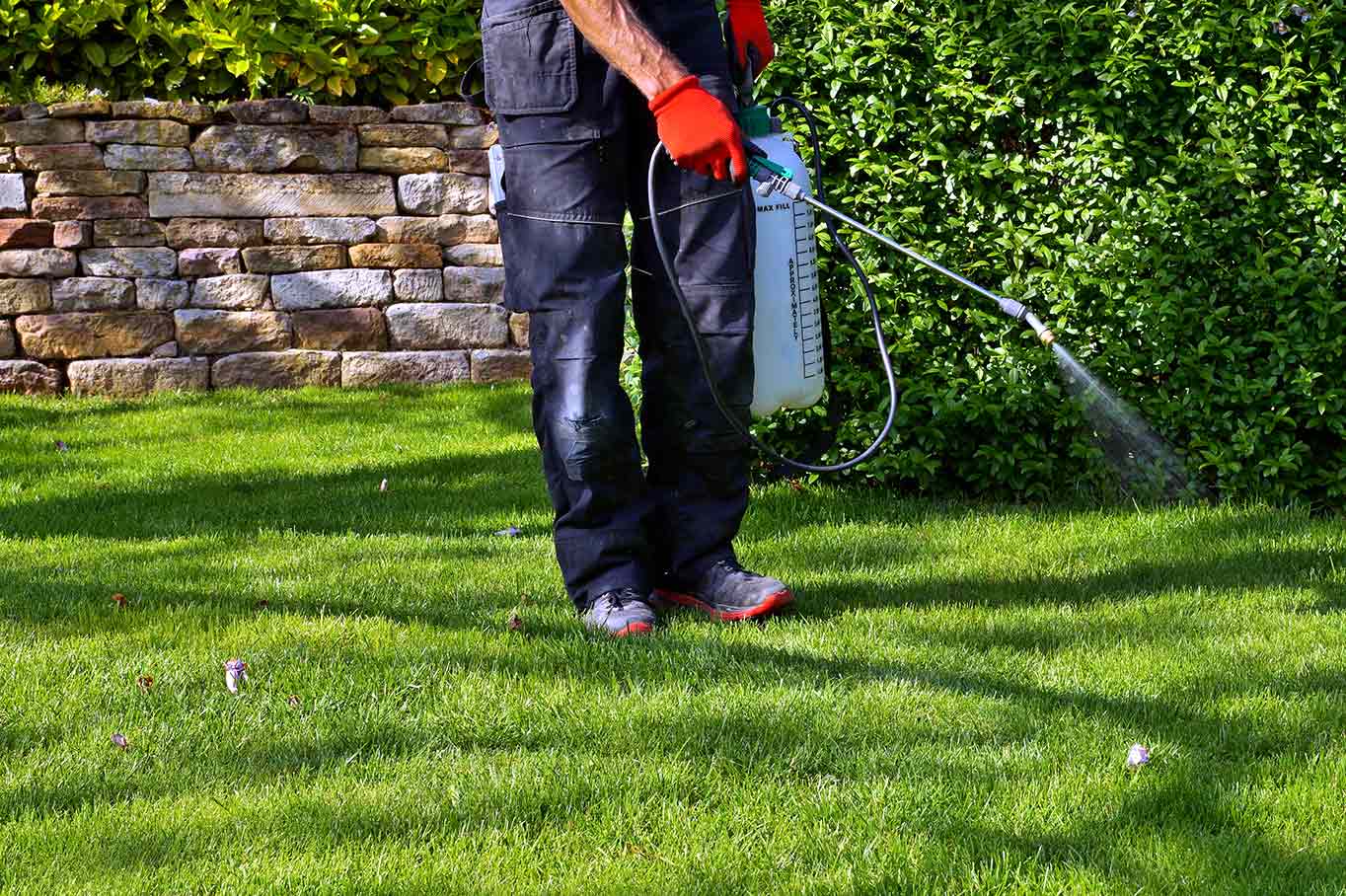
Many common lawn weeds begin their life cycle as seeds lying dormant in the soil. When environmental conditions become favorable, those seeds germinate and begin developing roots and shoots. Pre-emergent weed control products are designed to interrupt this process.
Rather than killing mature weeds, pre-emergents prevent newly germinated weed seedlings from becoming established. Once the seed begins to sprout, the treatment interferes with early development, causing the young weed to die before it can emerge from the soil and compete with turfgrass.
Because these products target germinating seeds rather than existing plants, timing is one of the most important factors in their success. Applying a pre-emergent after weeds have already appeared will generally provide little benefit against those established plants.
Pre-emergent weed control is commonly used against annual weeds that reproduce primarily through seeds. Many troublesome lawn weeds emerge in predictable seasonal patterns, making them ideal targets for preventative treatments.
While pre-emergents can be highly effective against many annual weeds, they are typically less effective against perennial weeds that spread through roots, rhizomes, stolons, or other underground structures. Those weeds often require different management strategies. Some of the weeds frequently managed with pre-emergent applications include:
One of the most common misunderstandings about pre-emergent weed control is assuming it can be applied at any point during the growing season. In reality, successful weed prevention depends heavily on timing.
Pre-emergent products must be applied before targeted weed seeds germinate. Once germination begins, the opportunity for prevention may be reduced or lost altogether. Since different weed species germinate at different times, lawn care professionals often schedule treatments around seasonal soil temperature trends rather than relying solely on calendar dates.
Applying treatments too early may reduce effectiveness later in the season if the product begins breaking down before weeds germinate. Applying too late may allow weeds to establish before the barrier is in place. Proper timing is one of the primary reasons professional weed control programs often achieve more consistent results than occasional applications.
Preventing weeds before they emerge offers advantages beyond simply improving a lawn's appearance. Weeds compete directly with turfgrass for valuable resources, including water, nutrients, sunlight, and space.
When weed populations are reduced, desirable grass can often grow more vigorously and develop greater density. A thicker lawn naturally helps suppress future weed growth by shading the soil and limiting opportunities for weed seeds to establish.
Benefits of pre-emergent weed control may include:
Many homeowners expect immediate visual results after a pre-emergent treatment. However, these products work differently than weed killers designed to eliminate visible plants.
After application, the product must typically be moved into the soil through rainfall or irrigation. Once activated, it forms a protective barrier near the soil surface where weed seeds germinate. Because the treatment targets weeds before they become visible, there may not be any dramatic change immediately following application.
The true benefit becomes apparent over time as fewer weeds emerge compared to untreated areas. Maintaining the integrity of the soil barrier is important, which is why excessive soil disturbance can sometimes reduce the effectiveness of a pre-emergent application.
While pre-emergent treatments are an important tool, they are not a complete solution by themselves. Healthy turfgrass remains one of the best natural defenses against weed invasion.
Proper mowing, watering, fertilization, aeration, and overseeding all contribute to stronger turf that can better resist weed pressure. Even with an effective pre-emergent program, occasional weeds may still appear due to environmental conditions, missed application windows, or seeds introduced from neighboring properties.
Combining preventative weed control with sound lawn care practices often produces the most consistent long-term results. When turf is healthy and dense, weeds have fewer opportunities to establish and spread.
Many weeds can grow rapidly once established, producing thousands of seeds that contribute to future infestations. Waiting until weeds become visible often means dealing with mature plants that have already begun competing with the lawn.
Pre-emergent weed control addresses the problem at an earlier stage, helping reduce the overall weed population before it has a chance to spread. This preventative approach can save time, reduce maintenance demands, and help maintain a more attractive lawn throughout the year.
Rather than reacting to weed outbreaks, pre-emergent treatments allow homeowners to take a proactive approach that focuses on prevention and long-term lawn health.
Q: Does pre-emergent weed control kill existing weeds?
A: No. Pre-emergent products are designed to stop germinating weed seeds and generally do not eliminate weeds that are already growing.
Q: How long does a pre-emergent treatment last?
A: The duration varies depending on the product, environmental conditions, and application rate, but many treatments provide several weeks or months of protection.
Q: Does rain affect pre-emergent weed control?
A: Light rainfall or irrigation is often needed to activate the product and move it into the soil. Excessive rainfall, however, may reduce effectiveness in some situations.
Q: Can weeds still appear after a pre-emergent application?
A: Yes. No weed control program is perfect, and some weeds may still emerge due to timing, environmental factors, or untreated weed species.
Q: Is pre-emergent weed control safe for established lawns?
A: Most products are formulated for use on established turf when applied according to label instructions.
Q: Why do lawn care professionals recommend annual pre-emergent applications?
A: Weed seeds are continually introduced into lawns through wind, animals, foot traffic, and other sources. Regular applications help maintain consistent protection year after year.

